


Terracotta Tile Flooring: Pros, Costs, Care & Best Uses (2026)
January 12, 2026 Rustico Tile Staff All Blogs, Cantera Stone, Cement Tile, Installation Guide & Products, Quarry Tile, Saltillo Tile, Tile and Flooring Options, Tile Home Design Artisan tile, clay tile flooring, handcrafted tile, handmade terracotta tile, handmade vs machine-made terracotta, natural clay tile, rustic tile flooring, Rustico Tile & Stone, terracotta floor tile, terracotta tile, terracotta tile flooring, terracotta tile vs Saltillo tile, tile installation Social Share
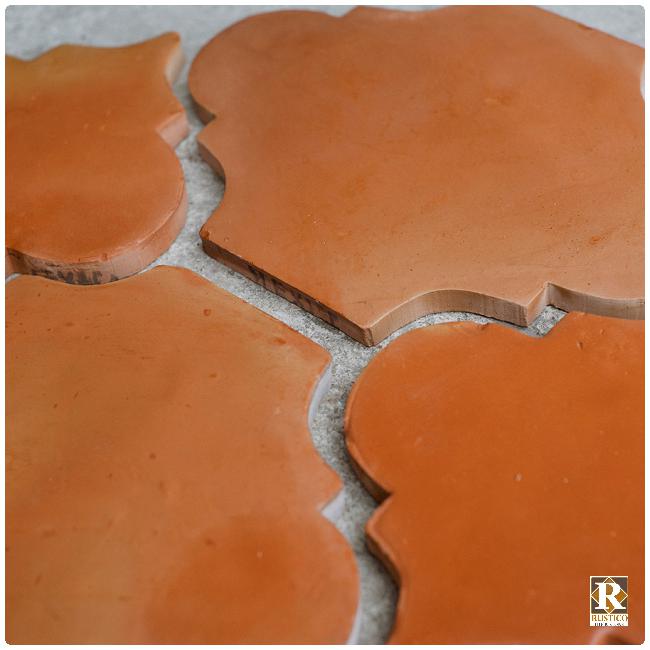
Terracotta tile has been used for centuries for its warm, earthy character and natural durability. Today, homeowners and designers continue to choose terracotta tile flooring for interiors, patios, kitchens, and architectural spaces where authenticity and timeless design matter.
At Rustico Tile & Stone, we source and produce handcrafted terracotta tile using traditional methods that honor the material’s origins while meeting modern performance expectations.
This comprehensive guide tackles these questions and gives terracotta tile tips.
- What is Terracotta Tile?
- Where Is Terracotta Tile From?
- Terracotta Tile vs. Saltillo Tile
- Handmade vs. Machine-Made Terracotta Tile
- Handmade vs. Machine-Made Terracotta Tile: Comparison Table
- What Are Some Types of Terracotta Floor Tiles?
- What shape and patterns are available in Terracotta Tile?
- More FAQs
- Are terracotta floor tiles suitable for both indoor and outdoor use?
- What are some creative ways to use terracotta tiles in home decor?
- Are there any environmental benefits to choosing terracotta tiles over other materials?
- How Do You Maintain and Clean Terracotta Floor Tiles?
- What’s the Difference Between Terracotta and Clay Tile?
- How to Find Terracotta Floor Tile Near Me?
- Rustic Dwelling Place
- Enough Scrolling… Let's Start a Project Together.
- Let's Talk Tile
Updated for 2026 by Rustico Tile & Stone
What is Terracotta Tile?
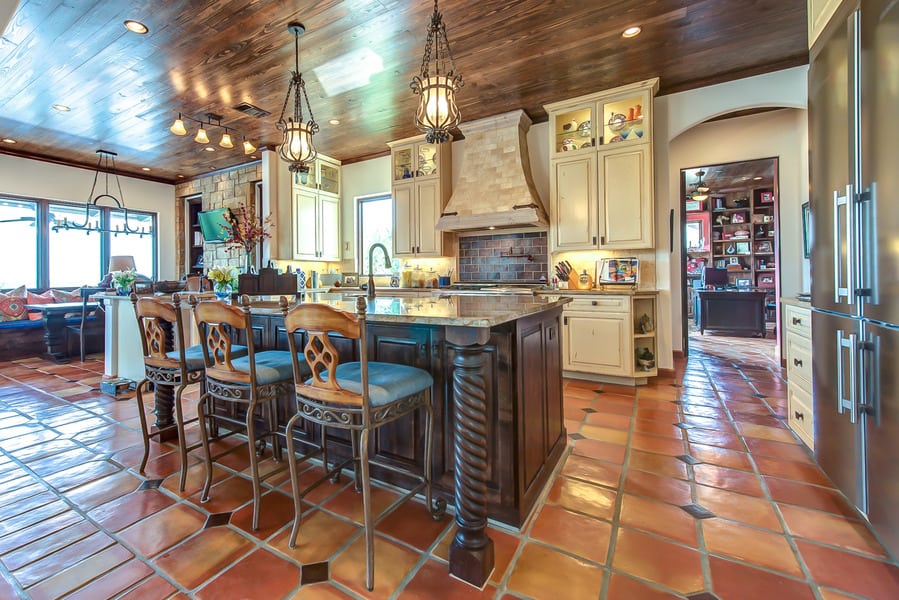
Terracotta tile is a type of fired clay tile made from natural earth materials. The word terracotta comes from the Italian word, meaning “baked earth,” reflects both its composition and its organic appearance. Unlike mass-produced ceramic tiles, true terracotta is valued for its variation, texture, and artisanal finish. The clay goes through a hardening process through sun-drying, kiln-firing, or baking in the oven. It is commonly used as floor tile, roof tiles, glazed and painted tiles, earthenware, pottery, modeling, and other architectural features. Terracotta tile is initially porous and has the color of red, brown, orange, pink, and earthy tones. It is also available in a wide range of colors and designs, from organic rustic to modern minimalist.
Where Is Terracotta Tile From?
Terracotta tile has been produced for thousands of years in regions with rich clay deposits and a long tradition of earthen construction. Historically, terracotta tiles were made throughout the Mediterranean, Mexico, parts of South America, and Asia, where artisans shaped natural clay and fired it in kilns using local techniques.
Because terracotta is defined by its material (natural clay) rather than a single place of origin, terracotta tile can come from many regions—each with its own characteristics in color, density, and finish. Handcrafted terracotta tiles often reflect the soil composition, firing temperature, and artisanal methods of their region.
Today, high-quality terracotta tile is still made using traditional processes, producing tiles valued for their warmth, durability, and timeless appeal.
Check out this quick video, which shows how artisan hands have crafted terracotta (specifically Mexican terracotta) for generations.
Terracotta Tile vs. Saltillo Tile
The primary difference: All Saltillo tile is terracotta, but not all terracotta tile is Saltillo. Saltillo tile must be made in Saltillo, Mexico, using local clay and traditional production methods. Terracotta tile, by contrast, is a broader category of fired clay tile that can be produced in many regions around the world.
Handmade vs. Machine-Made Terracotta Tile
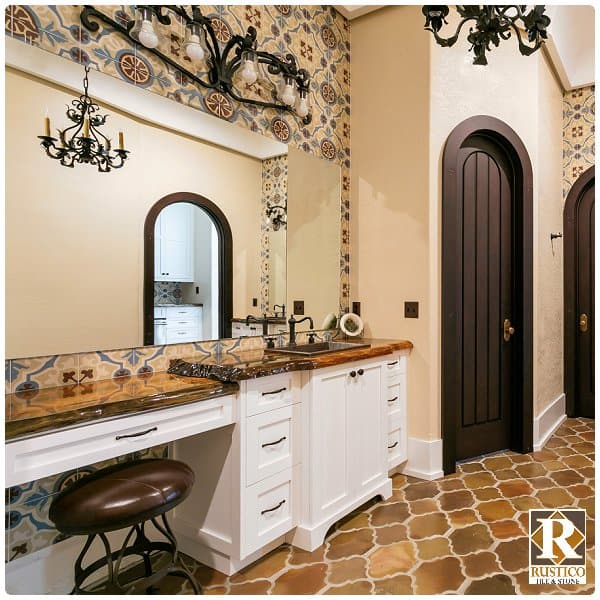
While terracotta tile is often associated with rustic or Spanish-style interiors, its versatility extends far beyond traditional design. Thoughtful terracotta tile flooring design—including layout, finish, and variation—adds warmth and refinement to modern, transitional, and even minimalist spaces. As an added benefit, terracotta tile is crafted from natural, earth-derived materials, making it a favorite for those seeking authentic and sustainable flooring.
Terracotta tiles vary in pattern, shape, size, and clay composition. What unites them is their signature earth tones and organic surface texture—often described as “perfectly imperfect.” This natural variation brings depth, movement, and character that cannot be replicated by synthetic materials.
Warm terracotta floor colors help establish a grounded aesthetic, often serving as the design foundation from which other architectural and decorative elements flow.
When deciding whether terracotta tile flooring is right for your project, it’s important to understand the two primary categories: machine-made terracotta tile and handmade terracotta tile.
Machine-Made Terracotta Tile (Quarry Tile)
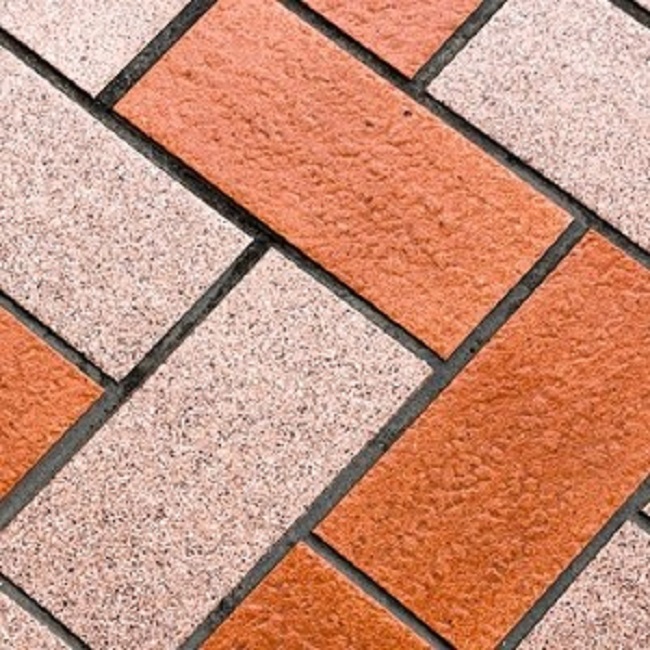
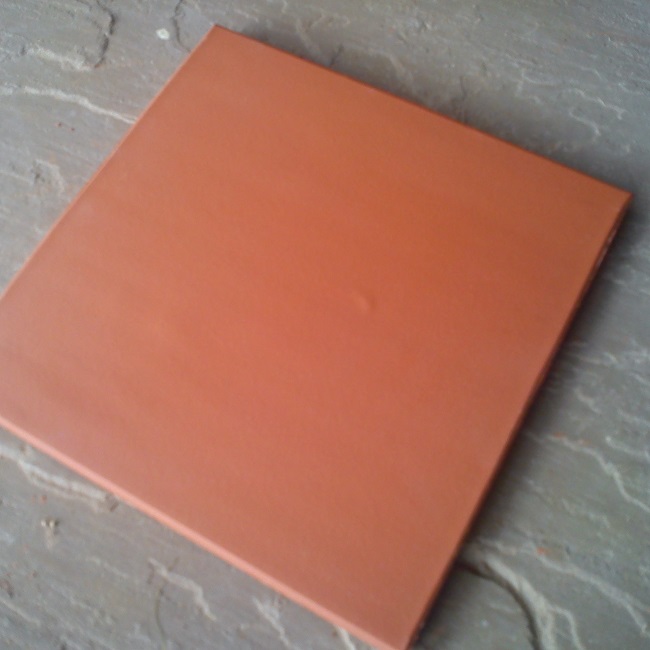
Machine-made terracotta tile—commonly referred to as quarry tile—is produced using pressed or extruded clay. These tiles are valued for their consistency in size, thickness, shape, and color.
Because machine-made terracotta tiles are typically thinner than handmade alternatives, they are often chosen for remodels or commercial applications where a low-profile tile is required. Their uniformity allows for predictable installation and a more controlled, repeatable appearance.
While durable and functional, machine-made clay tiles lack the surface variation, depth, and artisanal character found in handmade terracotta. The result is a floor that performs well but leans more industrial than architectural.
Handmade Terracotta Tile
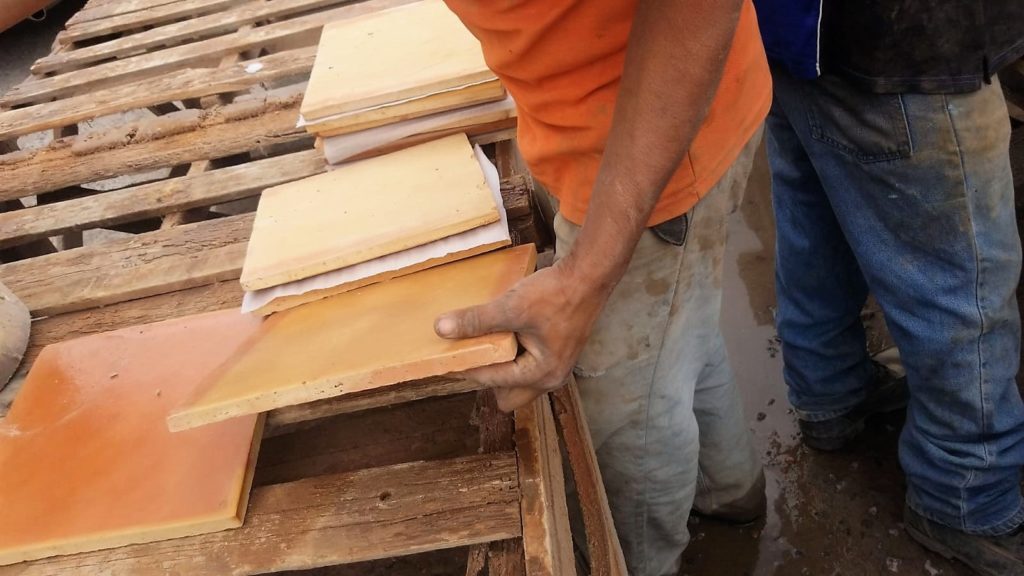
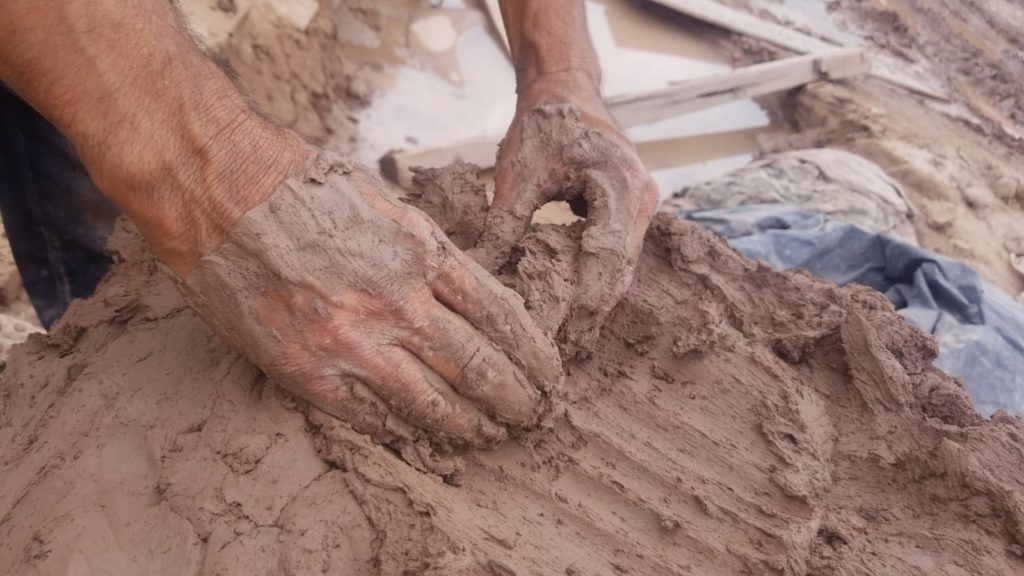
Handmade terracotta tile tells a very different story—one shaped by craftsmanship rather than machinery. Each tile is individually formed, finished, and fired using traditional methods, resulting in subtle variations in thickness, texture, and color.
These variations are not defects; they are the defining characteristics that give handmade terracotta its warmth, authenticity, and timeless appeal. Handmade tiles reflect centuries of architectural tradition and human touch—what many consider the true soul of terracotta flooring.
Historically, handmade terracotta tiles were favored not only for their beauty, but for their longevity. When properly installed and maintained, they develop a rich patina over time, deepening in color and character. Finishes such as sealers, waxes, and stains influence how the tile ages, allowing homeowners to customize the final look.
Many homeowners choose handmade terracotta tile flooring to create a relaxed, organic environment—one that avoids uniformity and embraces natural variation.
Regions such as Italy and Spain are especially known for historic handmade and reclaimed terracotta tiles, often featured in Italian Renaissance, Spanish Colonial, and Mission Revival architecture. Mediterranean homes frequently showcase reclaimed terracotta in aged finishes and classic patterns. While stunning and unique, authentic reclaimed terracotta is increasingly rare and often comes with a significant price premium.
For those seeking old-world character with modern performance, new handcrafted terracotta tile offers a timeless and practical alternative.
Handmade vs. Machine-Made Terracotta Tile: Comparison Table
| Feature | Handmade Terracotta Tile | Machine-Made Terracotta Tile (Quarry Tile) |
|---|---|---|
| Production Method | Individually formed using traditional, artisan techniques | Extruded or pressed by machine |
| Thickness | Naturally varied | Uniform and consistent |
| Surface Texture | Organic, textured, and irregular | Smooth or lightly textured |
| Color Variation | Rich, natural variation from firing and clay | Minimal variation, controlled color |
| Visual Character | Warm, expressive, architectural | Clean, consistent, utilitarian |
| Aging & Patina | Develops a deep, rich patina over time | Limited patina development |
| Design Appeal | Timeless, handcrafted, old-world charm | Functional, modern, uniform |
| Best Applications | Custom homes, residential interiors, design-forward spaces | Commercial projects, remodels, low-profile installations |
| Overall Impression | Authentic and perfectly imperfect | Predictable and precise |
What Are Some Types of Terracotta Floor Tiles?
Mexican Saltillo tile is the prominent choice in the US, Mexico, and Canada. Notably, the riverbed clay in Saltillo, Coahuila, Mexico, is applauded for its formidable durability and low price point.
Equally important, while artisans have manufactured saltillo tile for many generations, color choices for Saltillo tile have expanded to include
- Traditional Saltillo tile (terracotta shades of red, orange, golden, & cream)
- Manganese Saltillo tile (varying brown shades of color with warm terracotta undertones)
- Spanish Mission Red Saltillo tile (terracotta shades excluding most yellow or cream colors).
- Antique Saltillo tile (a textured Mexican tile created to look like Spanish or Italian reclaimed terracotta without the expensive price tag)
- Learn more and view photos of these SALTILLO TILE COLORS
What shape and patterns are available in Terracotta Tile?
Patterns have floated in and out of the decor scene since I got my feet wet in this space. Below are some timeless patterns embellishing homes, restaurants, hotels, resorts, and other businesses worldwide.
Square.
This classic shape ranges from 4×4 to 24×24 inches. A 12×12-inch Mexican tile usually buys the most bang for your buck, especially with its pre sealed coating for easy installation. However, a rule of thumb is (almost always) to choose the largest size tile that meets a budget. The 16×16 Spanish Mission Red square offers great value for a large format size. And our extra-large 24×24-inch Saltillo tiles are a force of nature that demands attention.
Hexagon.
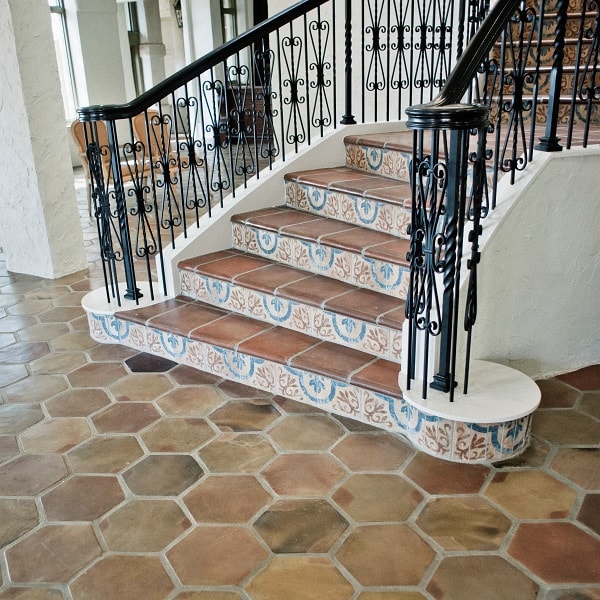
There’s no more timeless pattern than the hexagon terracotta tile, also known as the honeycomb pattern. It’s been around for hundreds of years and remains favored today. As a 1-tile pattern, the hexagon floor offers an affordable finding for decorative flooring.
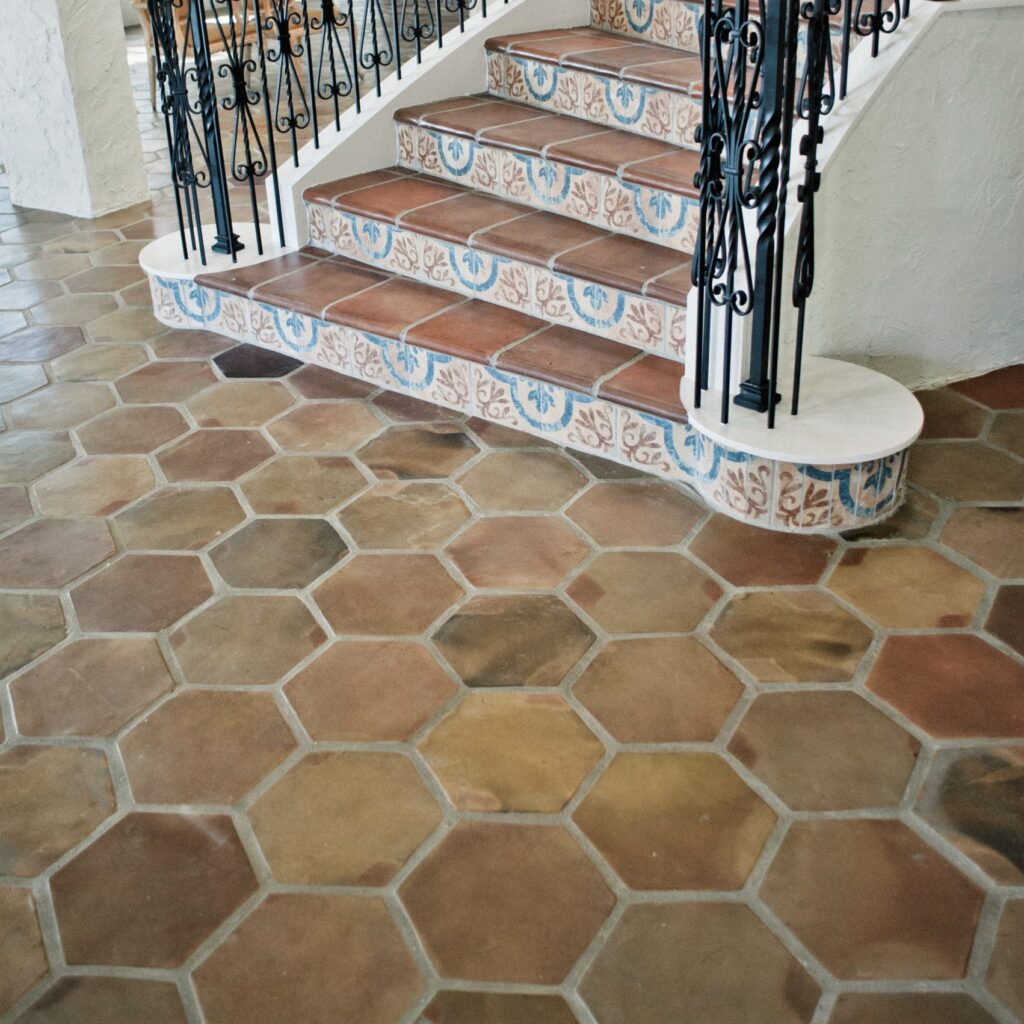
Octagon.
This 2-tile geometric pattern demonstrates a classic look. Since the octagon pattern must have an accompanying accent tile, designers can be adventurous with colorful Talavera tiles for an artistic look.
Riviera Pattern.
Hands down, this is the most popular Saltillo flooring choice in the past decade. Nothing about this pattern is humble. A Riviera Saltillo floor commands attention as a focal design point in any space.
Arabesque.
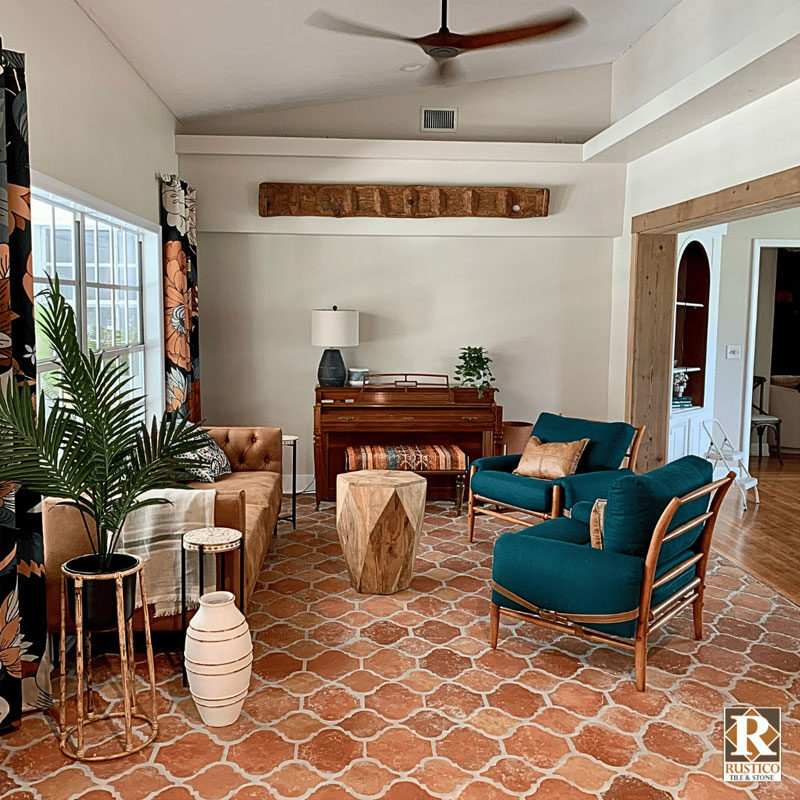
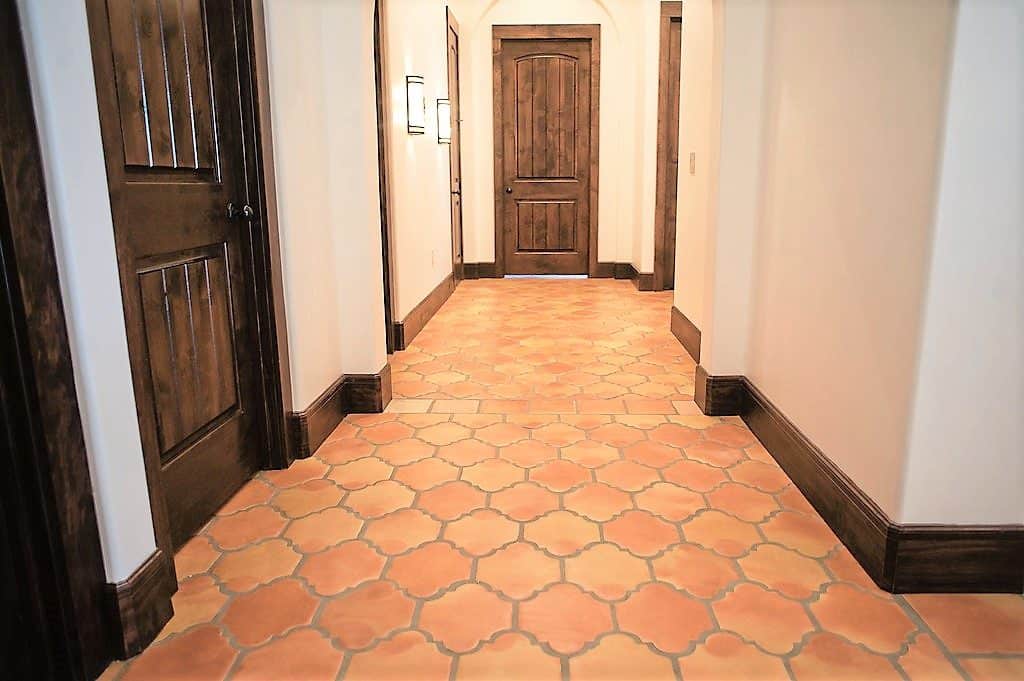
Another timeless classic is the Arabesque, also known as the San Felipe pattern. Similar to the hexagon terracotta pattern, a San Felipe tile creates a 1-tile pattern making it an affordable option for decorative flooring.
Picket.
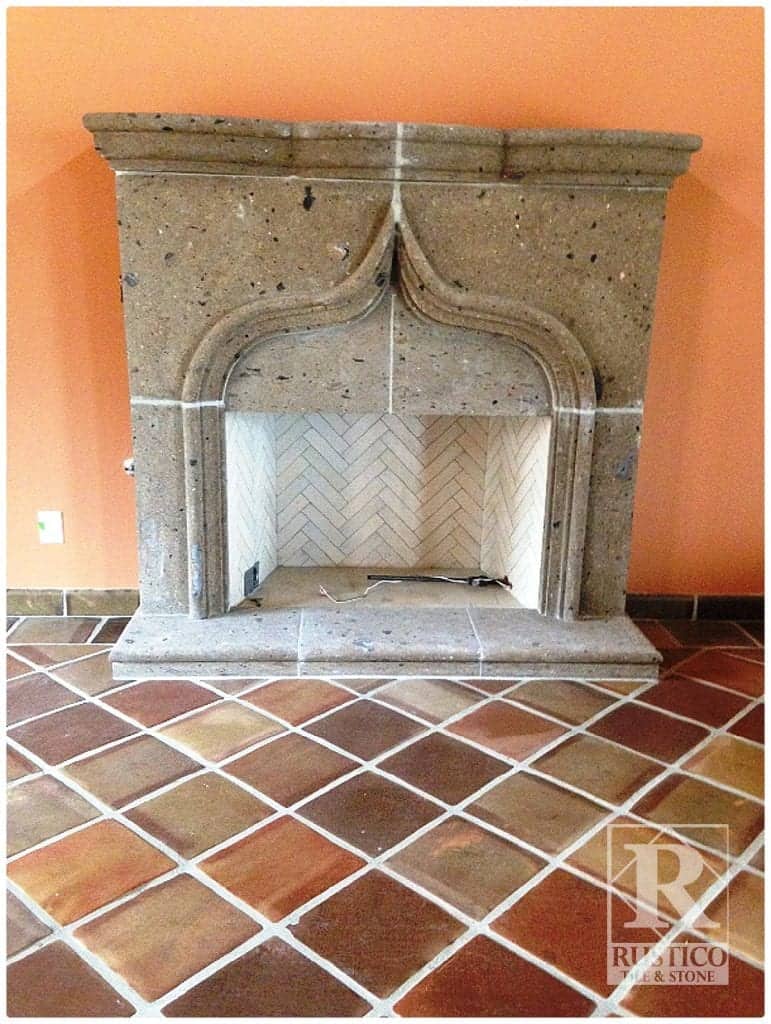
This picket pattern is one of our favorites. It most commonly consists of an 8×8-inch square tile and a 4×12-inch picket tile, but some other size alternatives are available. As shown in Antique Saltillo, this floor replicates the pricier alternative of imported Spanish or Italian reclaimed terracotta pavers.
Is Terracotta Flooring Expensive?
how to buy it on a budget
Clay tile is an affordable flooring choice compared to other handcrafted tiles like encaustic, certain marble or travertine stones, and even some basic ceramic tiles.
Typically, it costs between $3.00 – $9.00 per square foot. But there are some outliers, like authentic reclaimed Spanish and Italian varieties pushing $40 per square foot.
How can you buy terracotta floor tiles on a budget?
Shop Terracotta Tiles Online
♦ Consider the source. If you’re in the United States, consider a North American seller to avoid heavy import fees, tariffs, and ocean freight fees common to European tiles. For example, Mexican Saltillo tile is considerably less expensive (& superior quality) than sun-baked European terracotta varieties.
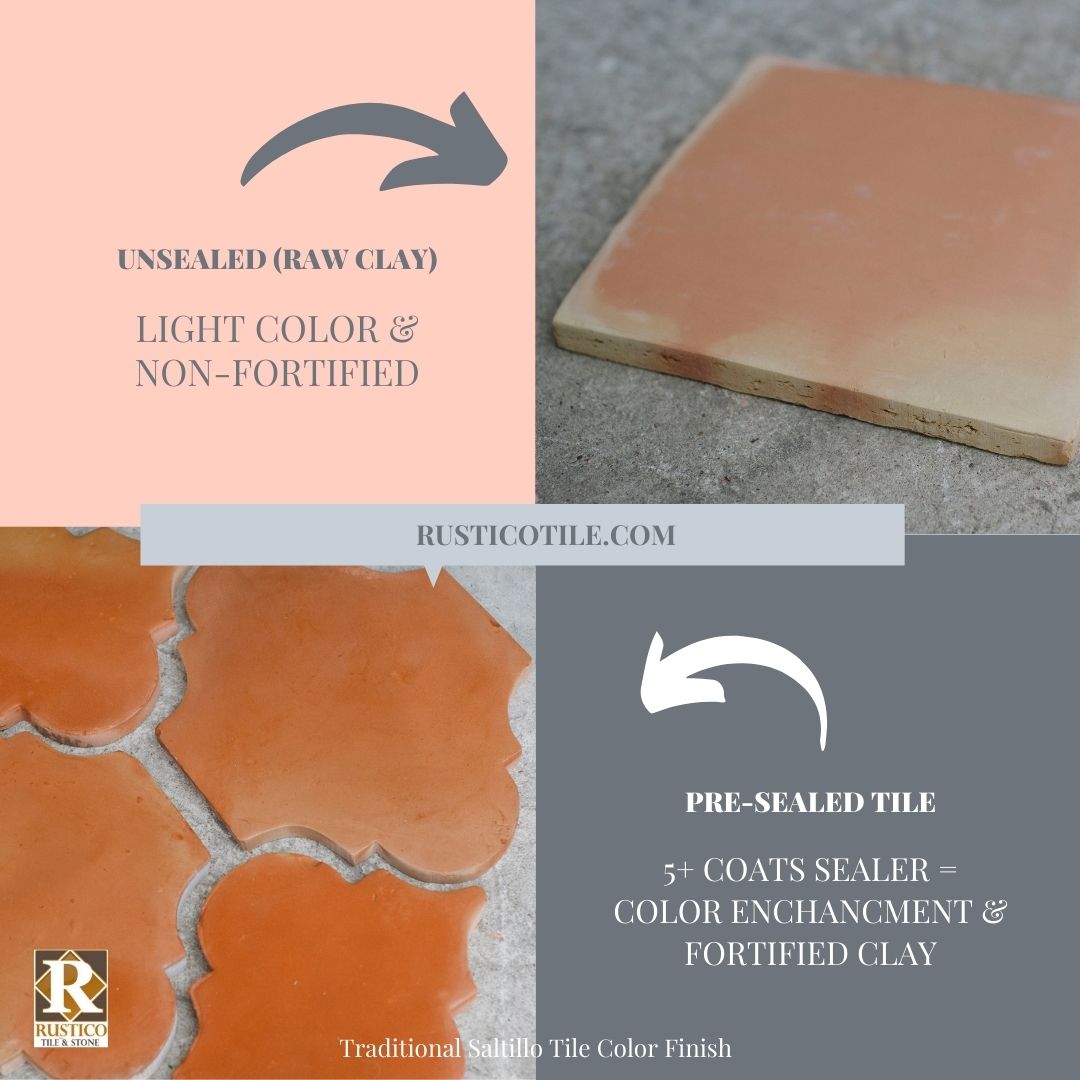
♦ Buy presealed tiles. Clay tile floors must be sealed since the clay is porous. A quality sealed tile has multiple coats of penetrating sealer soaked into the clay allowing for an efficient and worry-free floor installation.
→ It’s usually less expensive for the overall project value to buy presealed tiles vs. unsealed tiles. Most people don’t realize the amount of sealer required to DIY-seal terracotta floor tiles.
→ Learn more about Why to Buy Sealed Saltillo Tile to save time and money.
♦ Geometric Shapes vs. Patterns. If you have a limited budget, compare prices for square and rectangular tiles with decorative patterns. Most 1-tile patterns and geometric shapes (square, rectangles, hexagons, etc.) offer lower price points than 2-tile patterns (Riviera, Octagon, Hexagon Fuego patterns).
Need design tips, photos, and advice?
Rustic Dwelling Place
Is Terracotta Flooring Durable?
how long it will last
Terracotta durability and longevity are legendary!
Did you know that clay is naturally resistant to mold and bacteria? When properly sealed, installed, and maintained, terracotta floors outlast lifetimes.
Certainly, kiln-fired terracotta tiles hold up better than sun-baked tiles, so do some due diligence before purchasing natural terracotta tiles. Start with a high-quality, sealed terracotta to ensure a fuss-free, long-lasting floor.
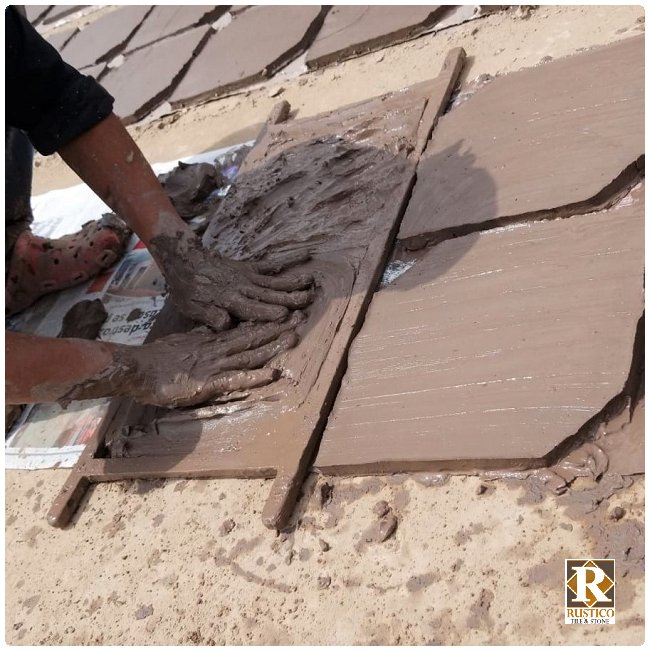
I’ve been in the biz of clay Saltillo tile floors for many years. Since we receive questions and photos from homeowners who have beautiful, unique terracotta floors that are many decades old, I say with confidence…Yes, terracotta floors are durable and last a long time!
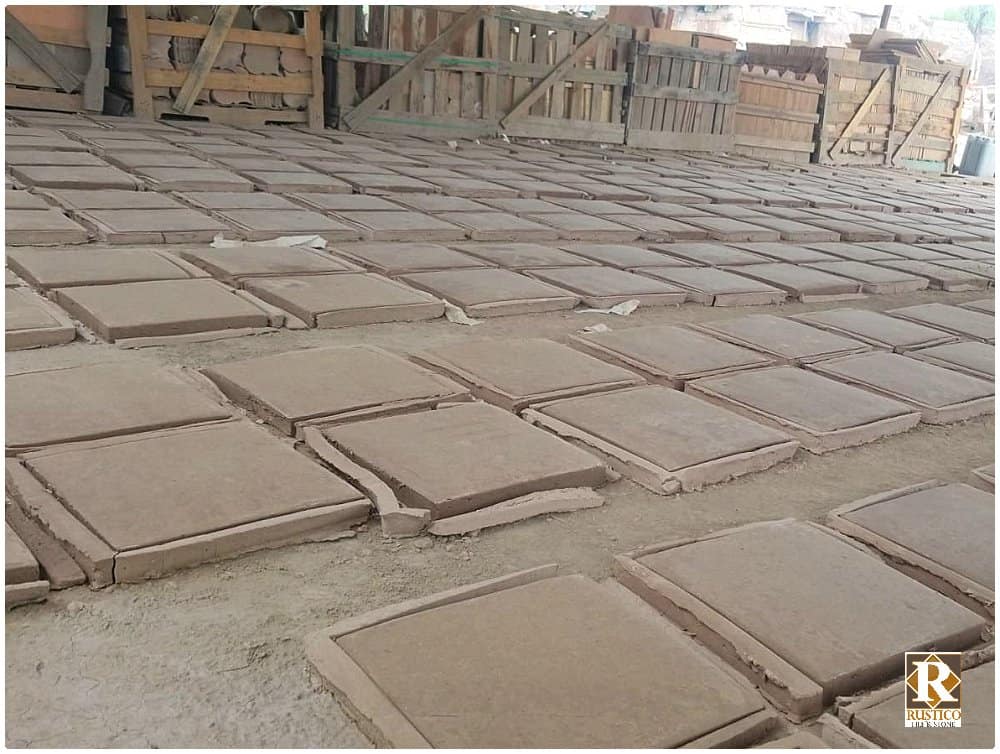
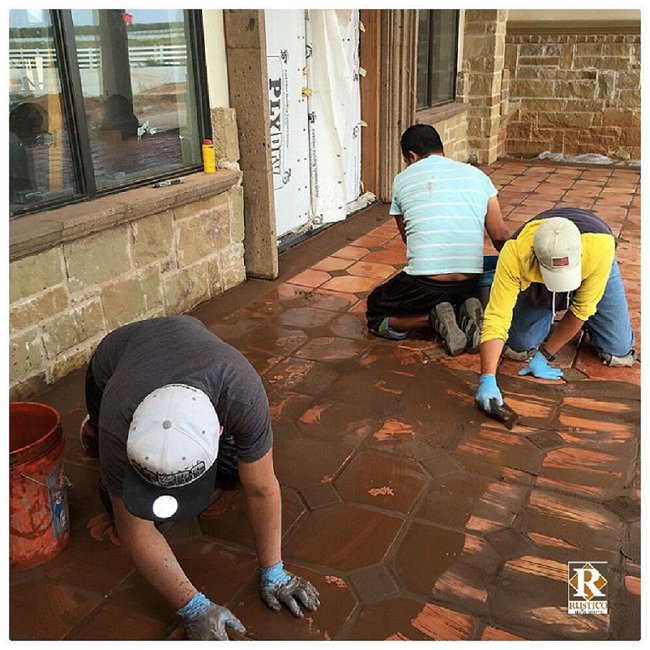
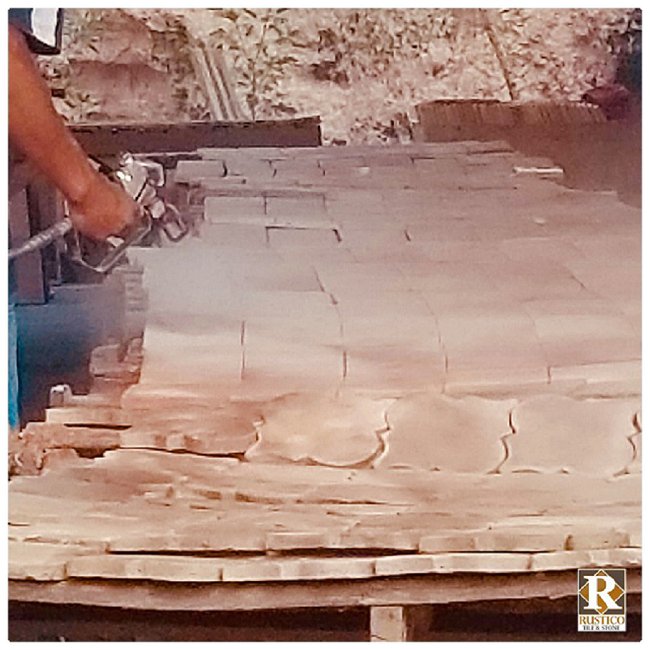
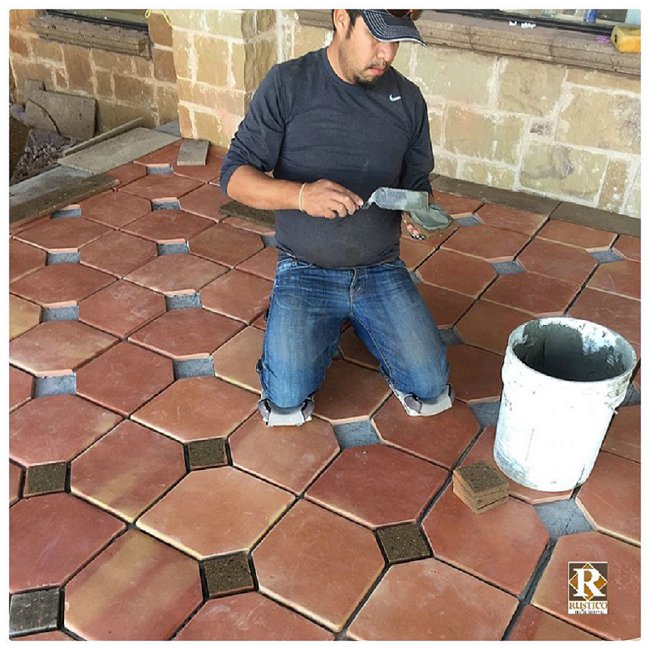
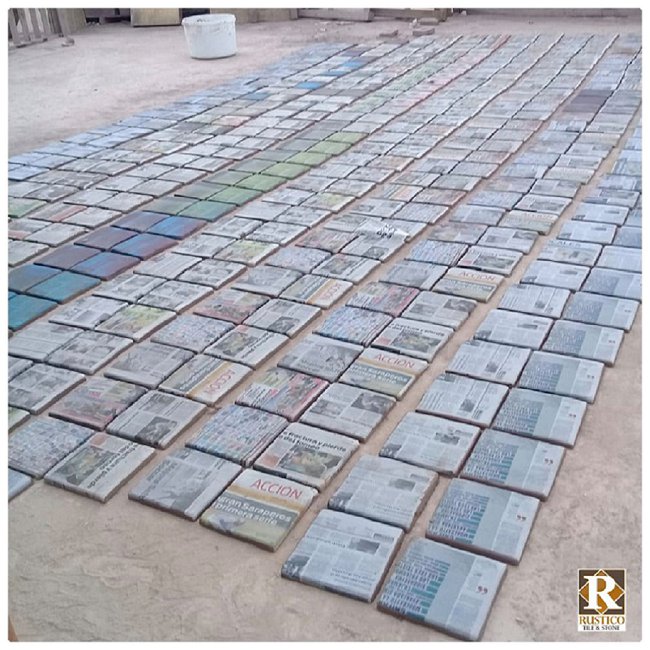
Take a peek behind the scenes during the manufacturing process…


Should Terracotta Clay Tile Be Sealed?
cleaning & maintenance guidelines
100% YES.
Always, always, always seal (or buy presealed) terracotta tiles. It’s a no-brainer.
Here’s why.
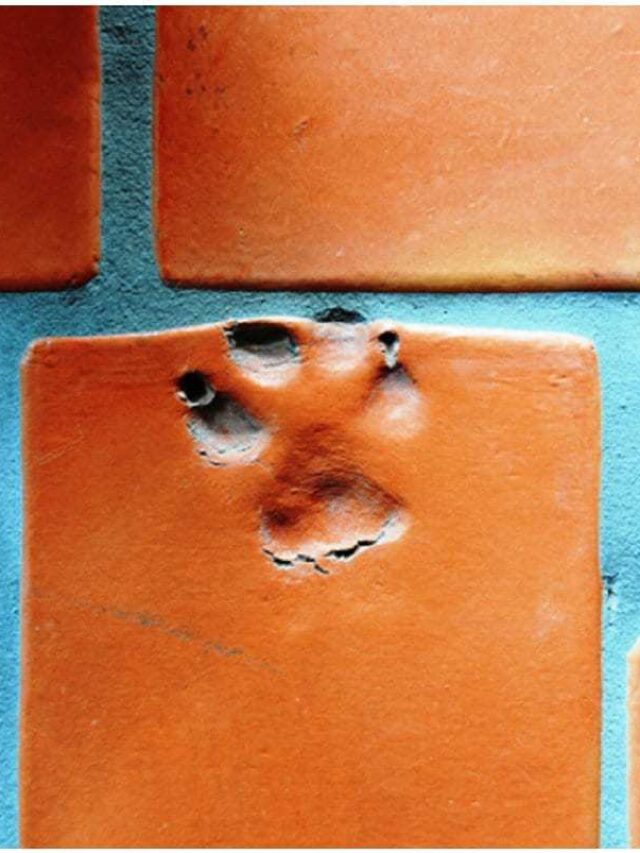
Terracotta clay is porous. Without the protection of embedded sealer or glaze, anything with color runs the risk of staining the clay. This includes a tumbled glass of wine, treks from muddy shoes, pet potty mistakes, and even dust and dirt from weather elements on outdoor floors. Without the protective coating of sealer, terracotta tile floors darken with stains.
Properly sealed terracotta floors mitigate the risk of stains, wear, and tear. Plus, ongoing maintenance is a breeze! With potential debris sitting atop the sealed surface, it’s easily cleaned, thereby preserving an original, clean appearance.
What about ongoing maintenance?
Again, the tile sealer steers the maintenance conversation. Upon installing presealed tiles, apply a finishing topcoat sealer. High-quality topcoat sealers add scratch resistance, UV protection, and water resistance to the floor. Ideally, apply this final coat across a “finished” floor to seal the grout synchronously.
Most high-quality sealers have attractive lifespans of 5-15 years, while lesser-quality sealers may only last 6-12 months. Thus, the quality of the sealer determines future ongoing maintenance. So, budget upfront for a quality topcoat sealer to save flooring maintenance costs in the long run.
Also, preserve the life of a sealed floor by diluting any cleaning chemicals. Or, better yet, consider a no-chemical approach through the use of vacuuming and steam mopping.
♦ Cosmetically, that last coat of sealer determines the overall sheen of a terracotta floor. Gloss or semi-gloss finishes are more popular than the chalky appearance of matte sealer finishes.
More FAQs
Are terracotta floor tiles suitable for both indoor and outdoor use?
Yes, terracotta tiles are versatile and can be used indoors and outdoors when they are properly installed. Whether installed as floor or wall tiles, terracotta offers a warm, rustic feel to interiors and are durable enough to withstand outdoor elements when properly sealed. High-quality sealer protects clay tiles from moisture and staining.
What are some creative ways to use terracotta tiles in home decor?
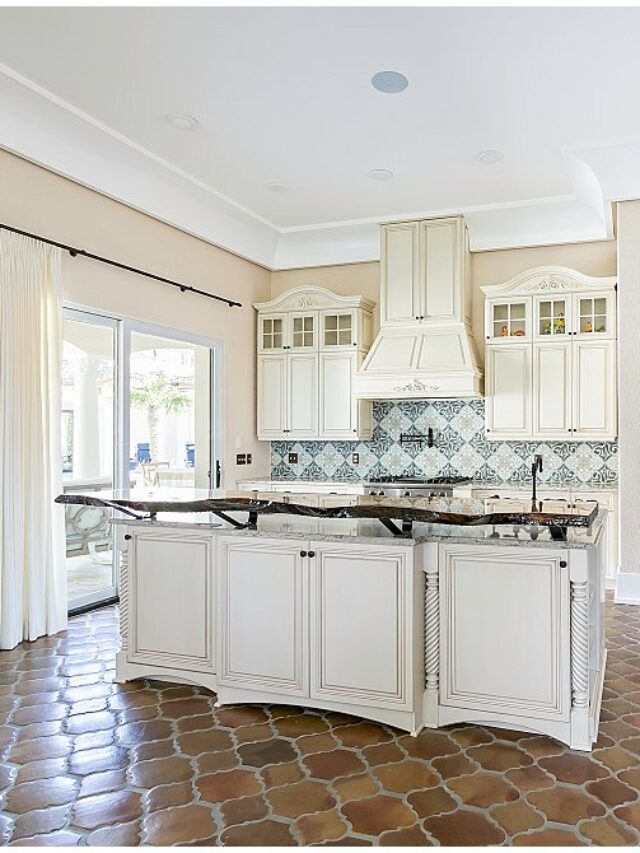
A few popular ways to incorporate terracotta tiles into home decor is by using them as kitchen backsplashes, accent walls, or as decorative flooring. In fact, combining them with modern elements creates an eclectic look or go traditional by using them in outdoor spaces like patios and walkways
Are there any environmental benefits to choosing terracotta tiles over other materials?
Yes, terracotta tiles are eco-friendly because they are made from natural clay that is abundant and sustainable. The manufacturing process requires less energy compared to other materials like ceramic or porcelain tiles, making them a more environmentally conscious choice for flooring and design projects.
How Do You Maintain and Clean Terracotta Floor Tiles?
Terracotta tile cleaning tips are essential for maintaining the natural beauty and longevity of this traditional flooring option. Referencing a terracotta tile guide can provide insight into the unique care requirements associated with the various types of clay used in the production process. While some might be familiar with glazed ceramic tiles, terracotta remains distinct due to its porous nature.
To clean terracotta effectively, it’s essential to avoid harsh chemicals or overly abrasive tools, opting instead for a gentle, pH-balanced cleaner and a soft mop or cloth. Regular maintenance and understanding the material’s specific needs will ensure your terracotta tiles remain pristine and rustic for years to come.


What’s the Difference Between Terracotta and Clay Tile?
Kiln-fired vs. Sunbaked tiles
You may have noticed that I refer to these tiles as terracotta, clay, Saltillo, and reclaimed terracotta.
So what’s the difference?
Terracotta floor tile is clay tile. But not all clay tile is terracotta. Saltillo tile is a type of terracotta clay. But not all terracotta is Saltillo tile.
Got that?
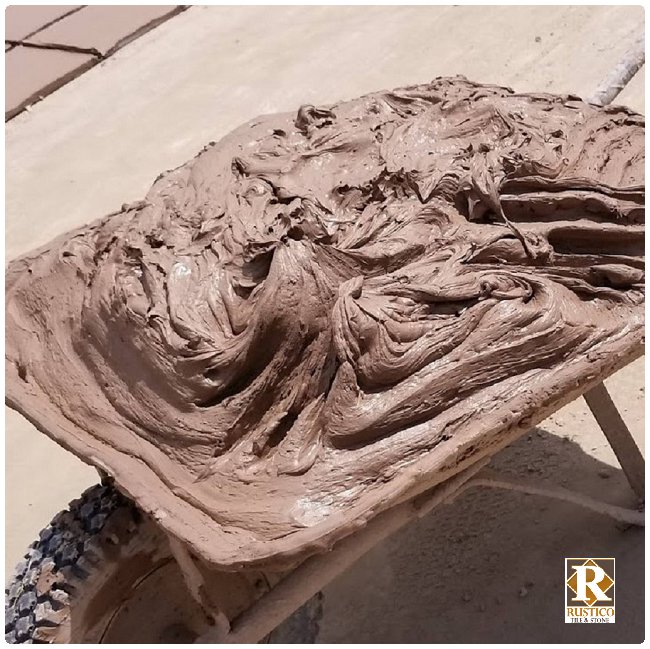
The manufacturing process determines the difference between terracotta and clay tile. ‘Clay’ refers to the raw material dug from the earth. But terracotta is iron-rich clay modeled and fired to its finished hardened state.
Then, there’s sun-baked terracotta vs. kiln-fired terracotta. After forming modeled tiles, sun-baked tiles are moved into an area directly exposed to the sun’s heat. Naturally, the tiles dry to their finished state.
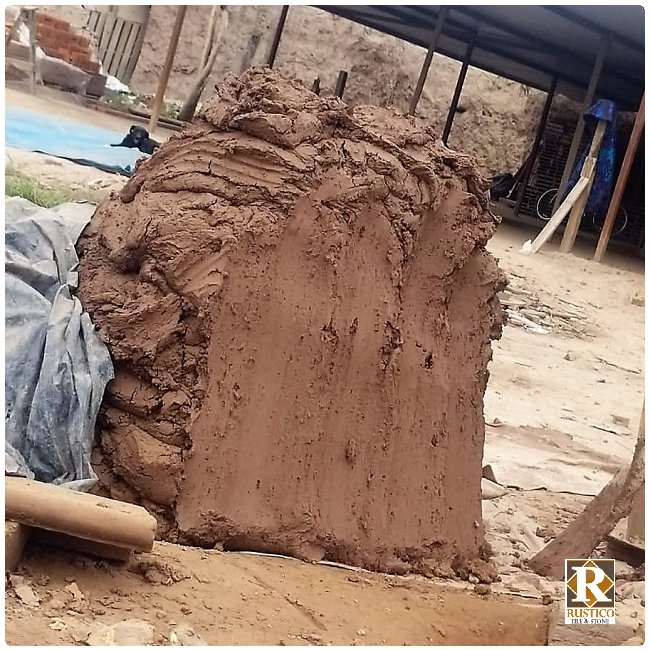
In contrast, when clay tiles are kiln-fired, a chemical reaction occurs in the clay that transforms the tiles into durable, hard pieces similar to stone.
To muddy ☺ the details a little more… The finished (fired) clay tile is often referred to as ceramic tile. So there’s that.
Plus, that same kiln-firing process also changes the clay’s natural brown/gray colors to terracotta colors.
As a point of clarification, Saltillo tile is derived from some of the world’s most durable clay. Saltillo, Coahuila, Mexico’s riverbeds attract a generation-old process for handmade terracotta floors.
How to Find Terracotta Floor Tile Near Me?
getting it shipped
Finding clay tiles near you or through online sellers is not too difficult.
Here are some tips for finding the best terracotta tile floor for your next project.
♦ Shop around. Compare local flooring stores with online offerings. (P.S. We ship worldwide!)
♦ Terracotta tile is heavy (a good thing for durability) and must be packaged adequately for shipping. If you’re buying terracotta tile to be shipped to you, only buy from a seller with experience shipping the tile. The practice and methods for shipping terracotta flooring are just as important as finding a quality-made tile, highlighting the importance of timely delivery.
♦ If you’re in North America, stick with locally-made products – Mexican Saltillo tile is the most common and affordable. If you’re in Europe, peruse your local Spanish or Italian vendors. There are great tile options found worldwide.
♦ Also, remember that terracotta is referred to in many terms. When you’re googling, use all of the terms. This will expand your search. For example, try Saltillo tile, Mexican tile, Spanish tile, Terracotta flooring, Rustic clay tile, etc.
♦ Finally, ask questions. Ask a lot of questions. Only buy terracotta flooring from a seller with whom you feel confident, even if that means paying a higher price. You will have maintenance and installation questions after your tile purchase. Find a seller who will serve you throughout the entire process.
Looking for more assistance when purchasing tile? Check out 5 Common Mistakes To Avoid When Buying Tile!
Want to explore ideas for your project?